

Quick Summary
The article explores the ancient history and current status of snow leopards in Pakistan, highlighting their origins as Ice Age survivors and their prestigious role as the country’s National Heritage Animal. It addresses the critical decline in the snow leopard population in pakistan, noting that recent studies estimate only 155 to 167 individuals remain. Finally, it emphasizes ongoing snow leopard conservation in pakistan, focusing on mitigating human-wildlife conflict with the Markhor and domestic livestock to protect this endangered species.
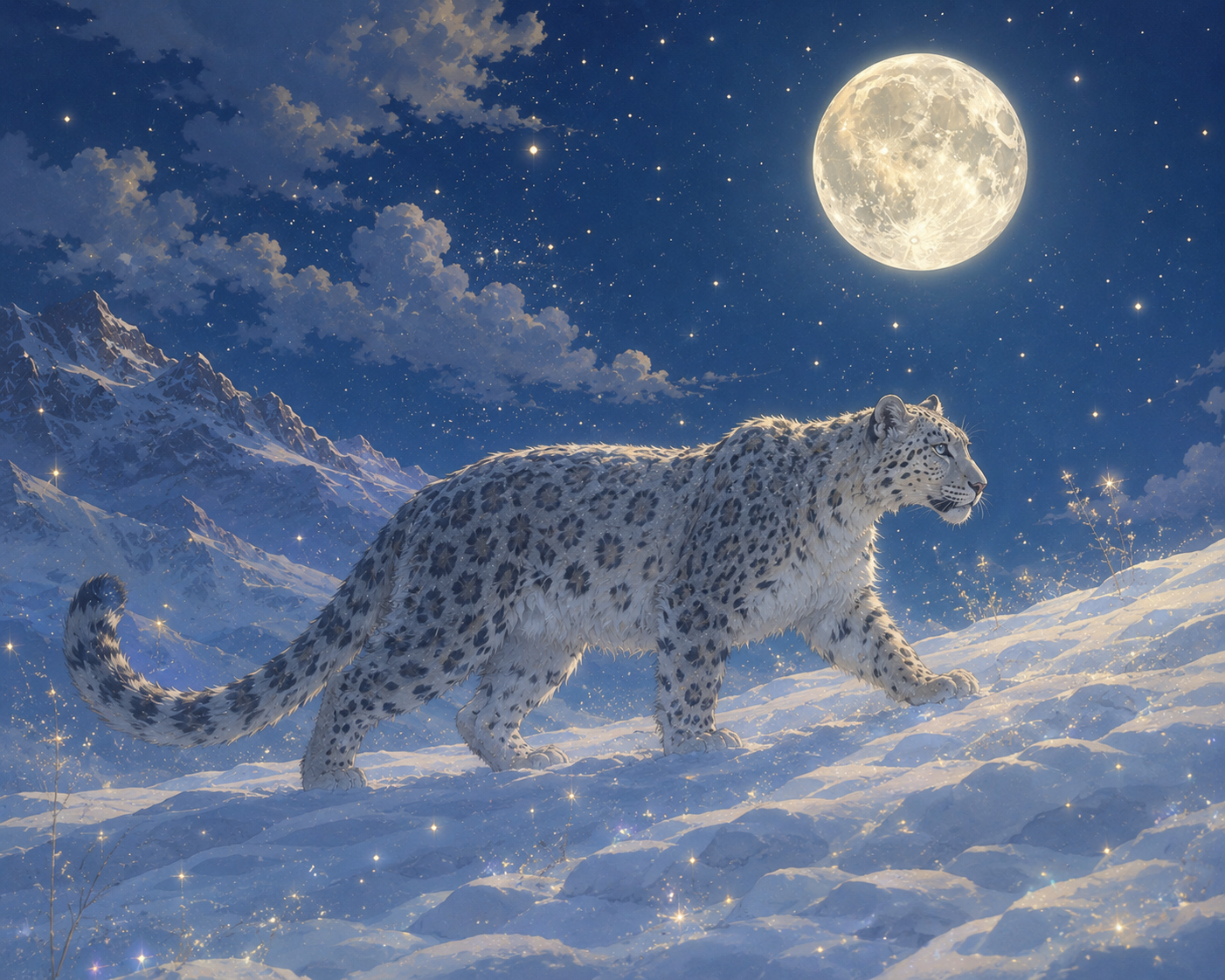
If you have ever seen a picture of a snow leopard, you know exactly why this majestic creature is often called the “Ghost of the Mountains.” With its thick, smoky-grey coat patterned with dark rosettes, this elusive predator blends perfectly into the harsh, snowy crags of Central and South Asia.
For wildlife enthusiasts and conservationists alike, the search term “snow leopard Pakistan” is a trending topic of immense ecological importance. Tracking a standard leopard in the wild is difficult, but tracking the snow leopard in the jagged, towering peaks of northern Pakistan is a monumental challenge. Let’s delve into the deep history, the current population, and the fascinating dynamic between these cats and the rest of their high-altitude ecosystem.
A Relic of the Ice Age: Ancient Origins
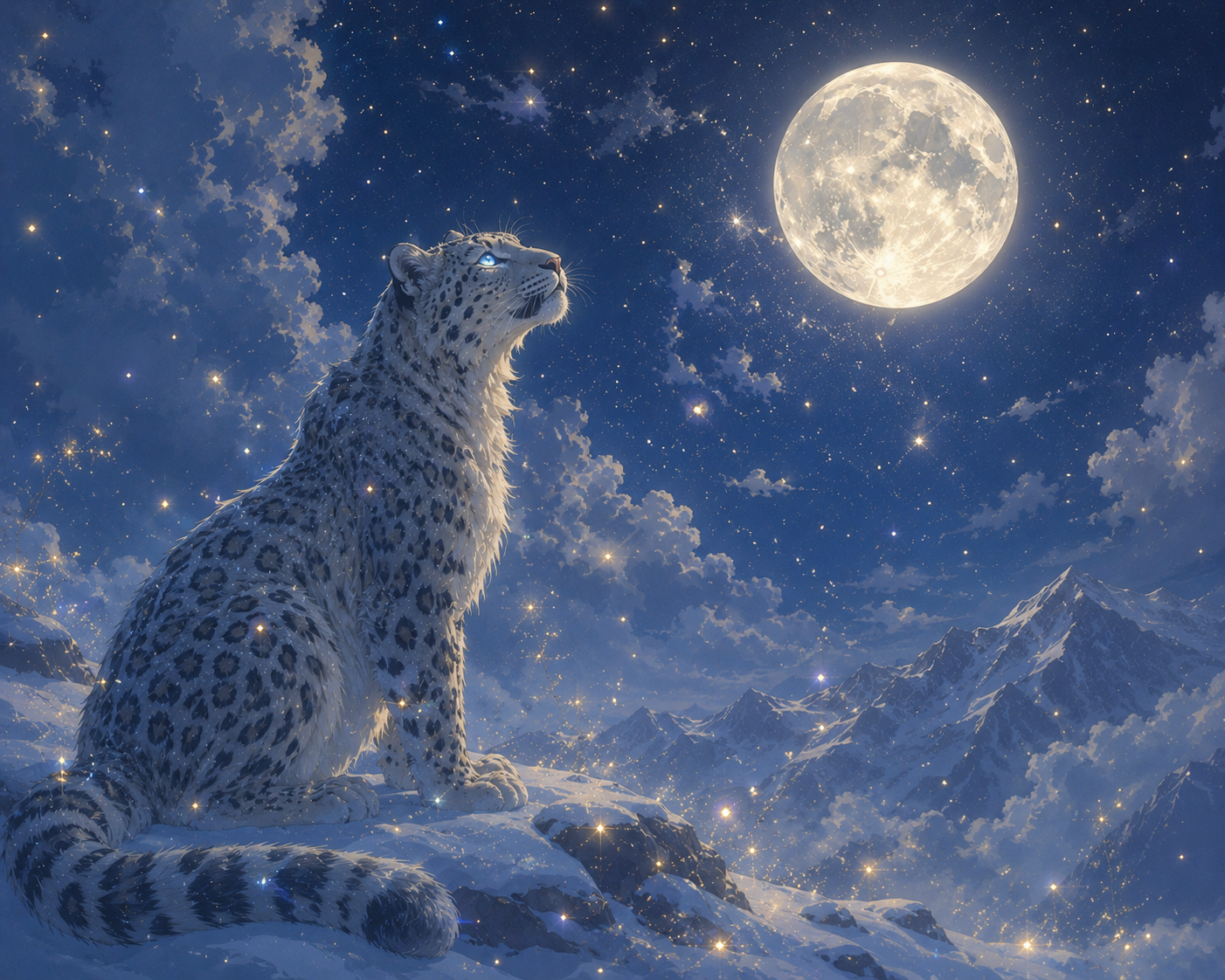
The lineage of snow leopards dates back millions of years. Much like the red panda or the high-altitude wolf, the snow leopard is highly specialized for freezing environments. Surviving since the Pleistocene epoch (the last Ice Age), this ancient animal developed physical traits, like a long, thick tail used as a natural blanket and wide paws acting as snowshoes, that allowed it to thrive where a standard lion, tiger, cheetah, jaguar, or black panther would freeze.
Often referred to colloquially by locals as the white leopard or irbis, this ancient survivor is highly adapted to the extreme snow leopard habitat in Pakistan. You can find snow leopards in Pakistan roaming the formidable mountain ranges of the Karakoram, Pamir, Hindu Kush, and the Himalayas.
The Snow Leopard is the National Animal of Which Country?
Search trends show a massive 550% increase in people asking about the snow leopard’s national animal status. Specifically, people frequently type this exact query into search engines: “The snow leopard is the national animal of which country?”
The Answer: The snow leopard is the official national animal of Afghanistan (declared in 2009) and the national symbol of Kyrgyzstan.
However, its status in Pakistan is equally prestigious. While the majestic Markhor is the official National Animal of Pakistan, the snow leopard proudly holds the title of Pakistan’s National Heritage Animal.
The Snow Leopard vs. The Markhor: A Delicate Balance
When discussing the snow leopard in Pakistan, you cannot ignore its relationship with the Markhor (a large, wild goat). There is a common misconception that these two species are in direct competition. In reality, the Markhor is the primary natural prey of the snow leopard.
The true “competition” in the habitat of the snow leopard in Pakistan is for space and resources between wild grazing animals (like the Markhor) and domestic livestock. As human settlements expand higher into the mountains, domestic herds consume the pastures that wild goats rely on. This forces the snow leopard to hunt domestic sheep and goats, leading to human-wildlife conflict and retaliatory killings by herders.
How Many Snow Leopards Are Left in the World?
A frequently asked question online is, “How many snow leopards are left in the world?“ Globally, wildlife experts estimate that only 3,900 to 6,300 remain in the wild today.
When it comes to the number of snow leopards in Pakistan, the figures were traditionally estimated to be around 200 to 420. However, a recent, groundbreaking DNA and camera-trap study conducted by the Snow Leopard Foundation Pakistan revealed a sobering reality: the exact snow leopard population in Pakistan currently stands at approximately 155 to 167 individuals.
Why Are Snow Leopards Endangered in Pakistan?
This stark drop in population numbers perfectly answers the query: why are snow leopards endangered? The tragic reality of seeing the snow leopard endangered in pakistan is driven by three primary threats:
- Habitat Loss & Fragmentation: Climate change is rapidly melting glaciers and shifting the tree line, shrinking the natural snow leopard habitat.
- Poaching: While much rarer today thanks to strict laws, illegal hunting for their luxurious fur and body parts remains a lingering threat to any leopard Pakistan hosts.
- Retaliatory Killings: Because snow leopards occasionally hunt domestic livestock out of desperation, farmers sometimes kill them to protect their livelihoods.
The Future of Snow Leopard Conservation in Pakistan
Thankfully, snow leopard conservation in Pakistan is gaining major momentum. Organizations are stepping in to help both the big cats and the local communities. Programs like livestock insurance, where farmers are financially compensated for animals lost to predators, ensure that locals do not resort to retaliatory killings. Furthermore, predator-proof corrals are being built to protect livestock at night.
Protecting these ancient ghosts of the Ice Age is not just about saving a single species. By preserving the snow leopard, we protect the entire high-mountain ecosystem, ensuring that the rivers flowing from these mountains continue to sustain millions of people downstream.
References
- Snow Leopard Foundation (SLF) Pakistan: https://www.slf.org.pk/ (Primary source for Pakistan-specific population data and conservation projects).
- Ecography Journal (Scientific Study): https://onlinelibrary.wiley.com/journal/16000587 (Reference for Dr. Muhammad Ali Nawaz’s “From Shadows to Data” population survey).
- Snow Leopard Trust: https://snowleopard.org/ (Global population stats, biological facts, and “Ghost of the Mountains” ecological data).
- GSLEP (Global Snow Leopard & Ecosystem Protection Program): https://globalsnowleopard.org/ (International policy and national symbol status verification).
- WWF-Pakistan Wildlife Catalog: https://www.wwfpak.org/ (Data on the Markhor-Snow Leopard relationship and habitat threats).
- Ministry of Climate Change, Pakistan: https://mocc.gov.pk/ (Official status of National Heritage and National Animals).
- IUCN Red List of Threatened Species: https://www.iucnredlist.org/ (Verification of the “Vulnerable” status and endangerment causes).


