

Were Ancient Myths Based on Real Historical Events?
It is an intriguing argument by independent researchers, often shrugged off by the mainstream media as pseudoscientists or, worse, conspiracy alarmists, that if a modern natural disaster like the one witnessed in Nepal had occurred during the epoch of Early Civilization or Classical Antiquity, the account or the tales of survivors would have been classified as “mythological“.
The narrators of that era often used forceful and poetically personified clauses rather than conventional descriptive sentences to capture the apocalyptic imagery.
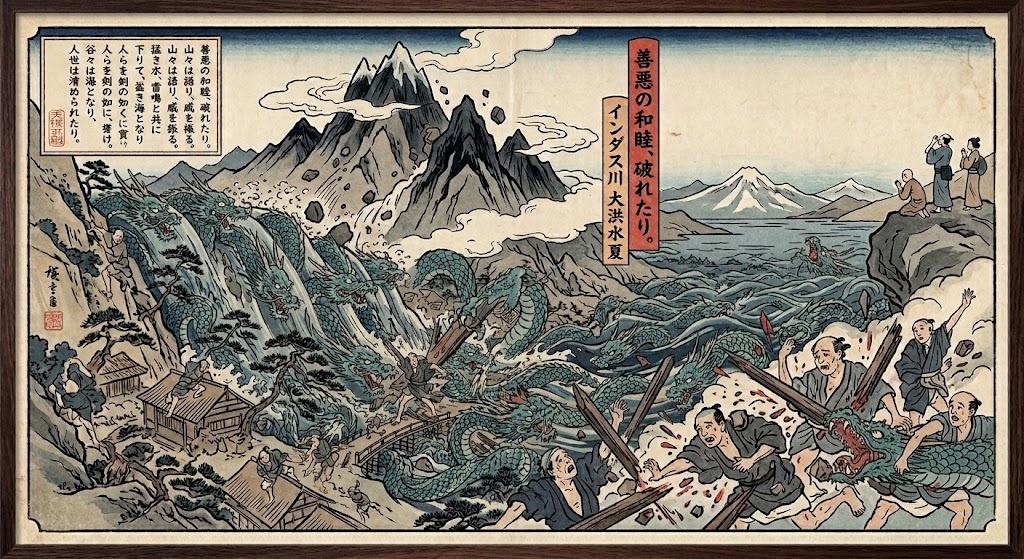
I imagined how the story of the Nepal glacial tsunami would sound if I were to recount and write it in a fragmented poetic style;
Peace between Good & Evil Broke.
Mountains Spoke.
Mighty Water Thundered Down
Descended As If Dragons Raged.
Piercing Men Like Swords.
Valleys Became Sea.
Humanity Was Cleansed
It is reminiscent of ancient flood narratives. If an individual from the modern age were to read it, they would be quick to question the historical accuracy of such an incident, rightly asking how the mountains could speak and whether dragons existed. Ancient authors or bards who preserved legends and traditions often used metaphors to convey the terror of disasters.
What we deem as a myth of a bygone time may not necessarily be mere tales. Perhaps, beneath the symbols and fantastical elements, there is a historical event that truly occurred.


